
Enhancing Your Home’s Interior with Indoor Plants
Indoor plants are more than a decorative afterthought — they’re living elements that can transform a house into a healthier, more inviting home. They can enhance aesthetics, improve air quality, and even help manage humidity and mildew in problem areas like bathrooms. This article explains how to choose the right plants for different light and water conditions, the benefits they bring, and practical ways to integrate them into your home.
Why plants matter in modern home design:
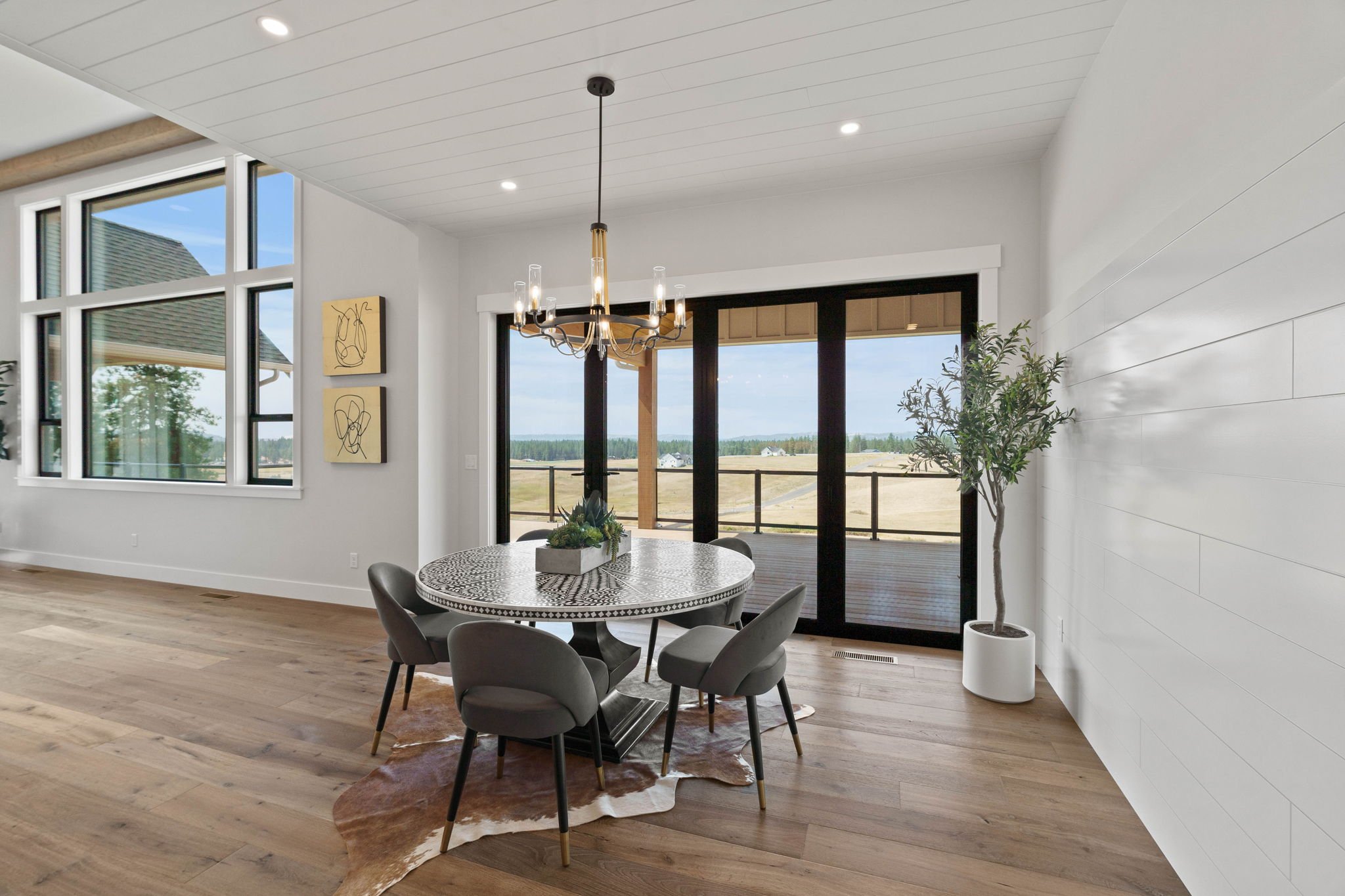
Visual warmth and texture: Plants add layers, softening hard lines and balancing architectural materials like wood, stone, and metal. A tall fiddle-leaf fig or an elegant snake plant can anchor a living room, while trailing pothos or string-of-pearls bring life to shelves and open niches.
Functional benefits: Many plants help purify the air, regulate humidity, and reduce mildew in damp rooms. Placing the right species in the right spot makes them both decorative and practical.
Choosing plants by light conditions:
Every room has a light profile. Match the plant needs to your home’s exposure to keep them thriving.
Low-light plants (best for north-facing rooms, hallways, or spaces with small windows)
Snake Plant: Extremely tolerant of low light and irregular watering. Great for bedrooms and bathrooms with low natural light.
ZZ Plant: Glossy foliage and very forgiving — tolerates dim spaces and drought.
Pothos: Trailing vine that does well in indirect light; versatile for shelves or hanging planters.
Peace Lily: Survives in low light and blooms occasionally; also helps filter air pollutants.
Cast Iron Plant: As its name suggests, highly durable in dark corners.
Medium to bright indirect light (east- or west-facing rooms, living areas with filtered sun)
Monstera: Striking leaves and sculptural presence; prefers bright, indirect light.
Rubber Plant: Makes a bold statement; does well in bright, indirect light.
Calathea and Maranta (Prayer plants): Known for patterned leaves and adaptable to medium light.
Philodendron varieties: Many types are tolerant and attractive in living spaces.
High-light plants (south-facing windows, sunrooms, bright kitchens)
Succulents and Cacti: Thrive in direct sun; very low watering needs.
Aloe Vera: Loves sunny, dry spots.
Herbs (rosemary, thyme): Functional and decorative in sunny kitchen windows.
Choosing plants by water needs:
Matching watering requirements prevents over- or under-watering and fits your personal lifestyle.
Low water (drought-tolerant): Succulents and cacti, snake plant, zz plant, and jade plant.
Moderate water (consistent but not daily): Spider plant, pothos, philodendron, and rubber plant.
Higher water needs (regular watering, humid conditions): Peace lily and Boston fern.
Plants that help purify air and combat mildew
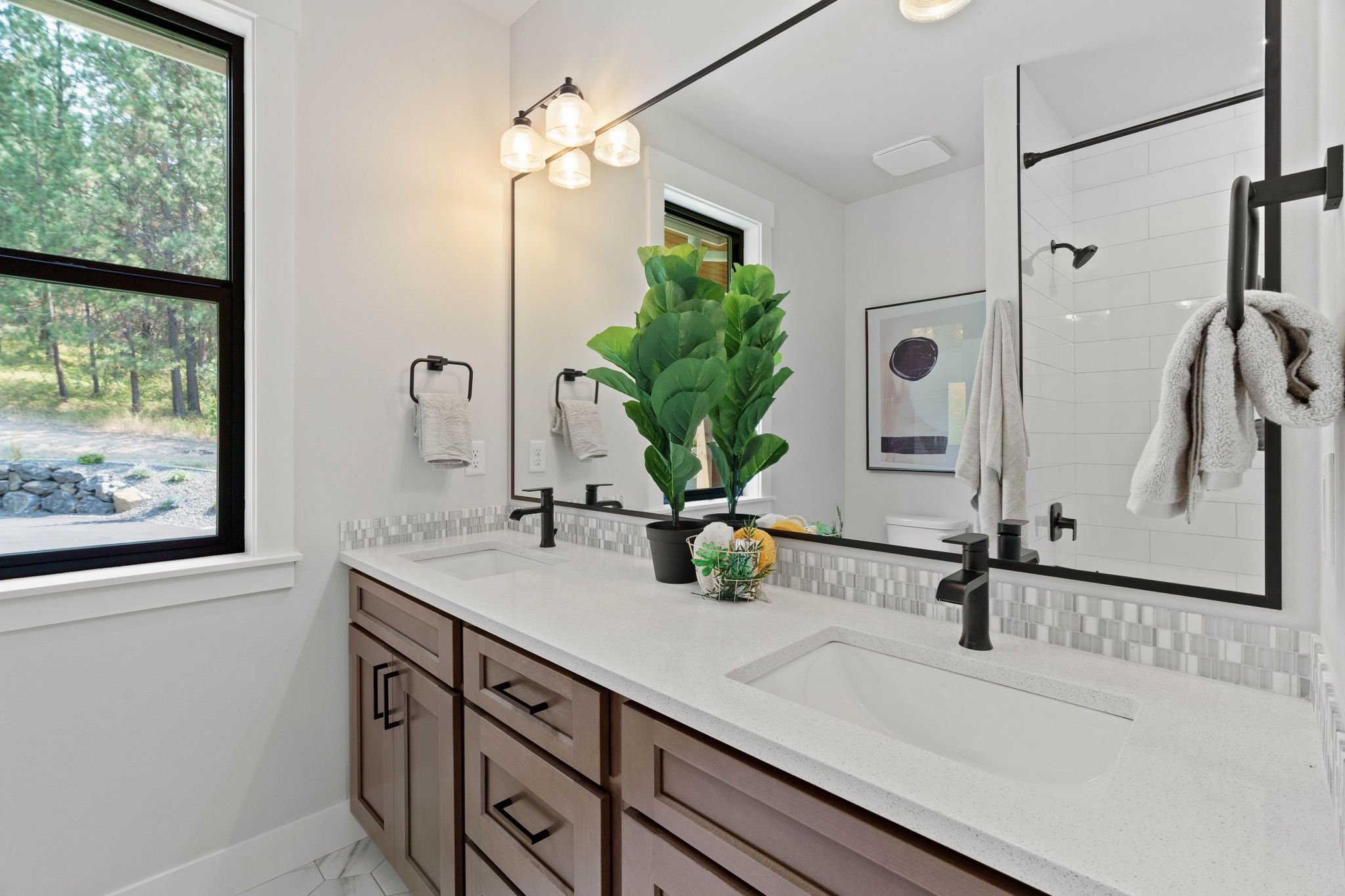
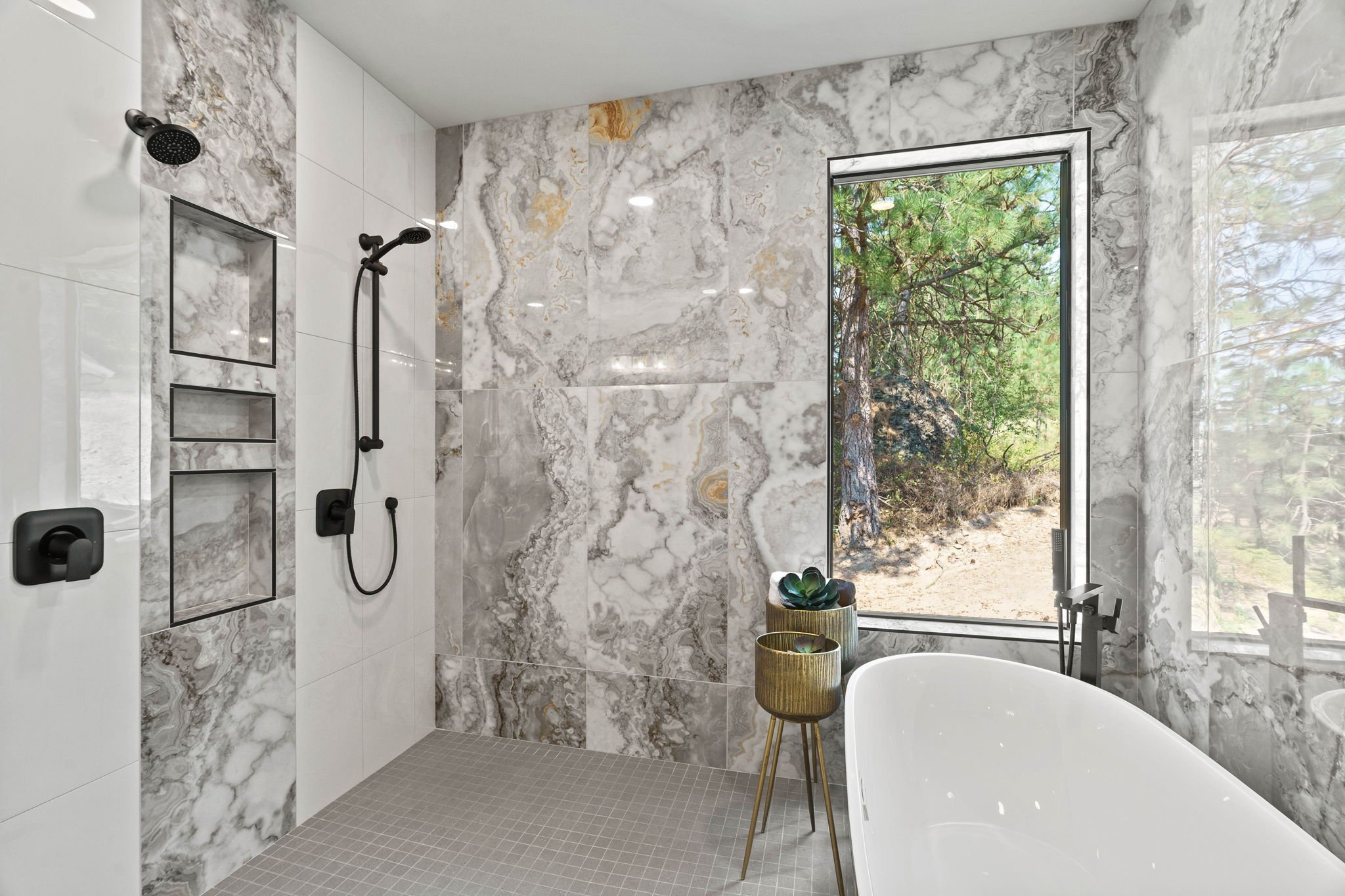
While plants alone won’t replace ventilation or dehumidification systems, they help improve indoor air quality by reducing conditions that promote mildew. The bathroom is a great space to add moisture-loving plants, such as ferns, orchids, and foliage plants (like the peace lily, spider plant, and snake plant), as well as the classic vining pothos plant.
A Brytech Construction home is built with the light, space, materials, and practical details that let houseplants and the people who love them flourish. Check out our Home Gallery page for inspiration on living spaces—ideas for layouts, plant combinations, and finishes to help bring your Spokane home to life.