
A Simple Guide to Home Maintenance
Owning a home is like owning a vehicle: regular care prevents costly breakdowns and keeps everything running smoothly. This guide gives practical, seasonal, and annual maintenance tasks to protect your home’s value, safety, and comfort. Use it as a starting checklist for new homeowners or a reminder for longtime owners.
Why maintenance matters
Regular maintenance preserves property value and curb appeal while preventing small problems from becoming expensive repairs. It also improves energy efficiency, lowers utility bills, keeps occupants safe and comfortable, and extends the lifespan of major systems and finishes.
Routine monthly checks
HVAC filters: Inspect and replace or clean filters every 1–3 months, more often if you have pets or allergies.
Smoke and CO detectors: Test alarms monthly and replace batteries at least once a year (unless hardwired with sealed 10-year batteries).
Plumbing: Check under sinks and around toilets for leaks, dripping faucets, and water stains.
Exterior drains and gutters: Visually inspect for debris or standing water.
Sump pump: Test by pouring water into the pit to ensure it activates and pumps out.
Yard and drainage: Ensure grading directs water away from the foundation; remove piles of leaves or debris near the house.
Seasonal tasks:
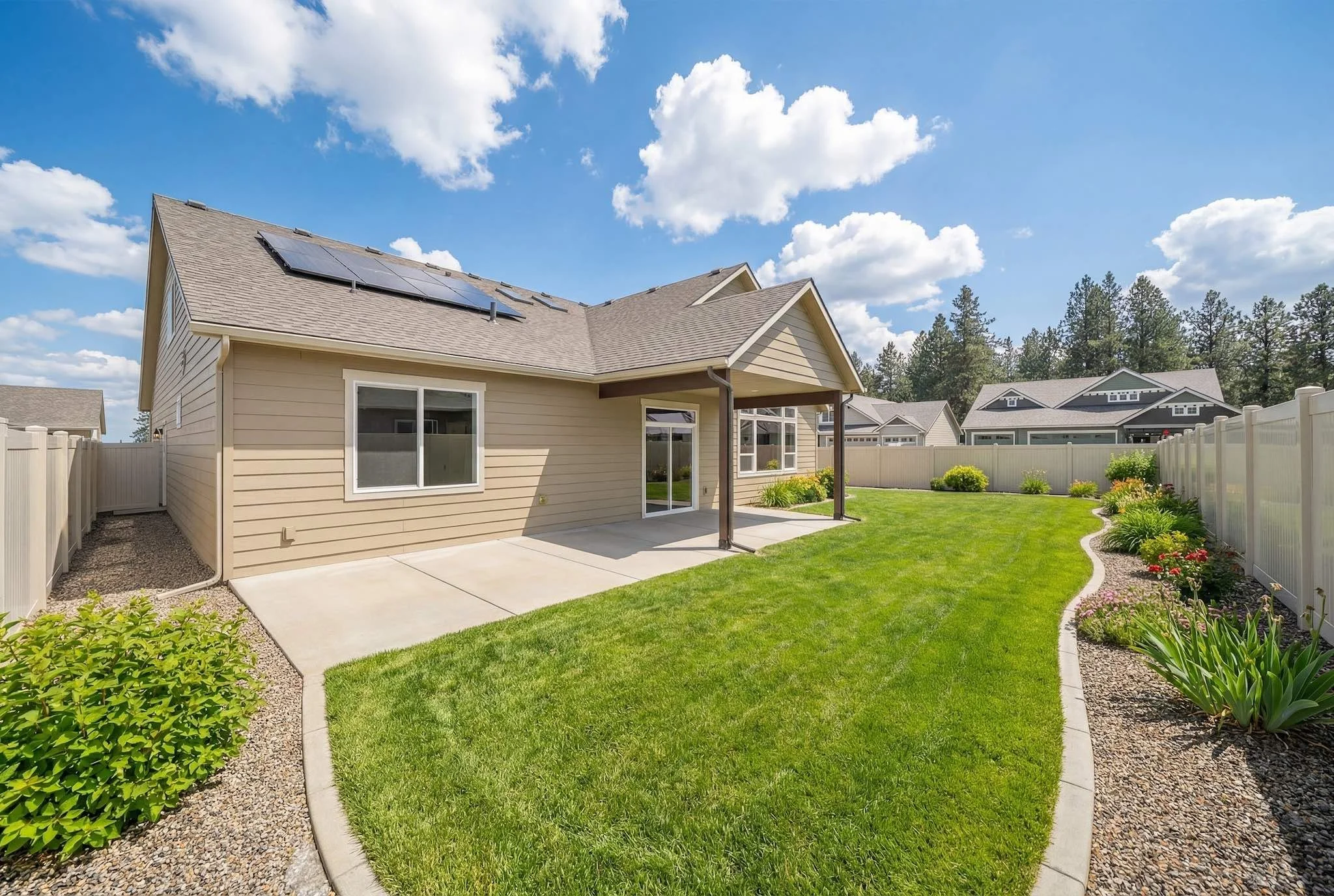
Spring
Roof and gutters: Clean gutters and downspouts; inspect the roof for damaged or missing shingles.
Exterior paint and siding: Repair cracks, peeling paint, or damaged siding to prevent moisture intrusion.
Deck and patio: Clean, inspect for rot or loose boards, and reseal if required.
Irrigation and landscaping: Start irrigation systems, check for leaks, and prune shrubs away from the house.
HVAC: Have the air conditioning serviced before heavy summer use.
Summer
Air conditioning: Clean around outdoor units; change filters regularly.
Pest control: Check for signs of insects or rodents and seal entry points.
Window and door seals: Inspect caulking and weatherstripping; replace as needed to maintain efficiency.
Fireplace and chimney: If you use a summer inspection schedule, plan a fall sweep; keep combustibles away from outdoor grills.
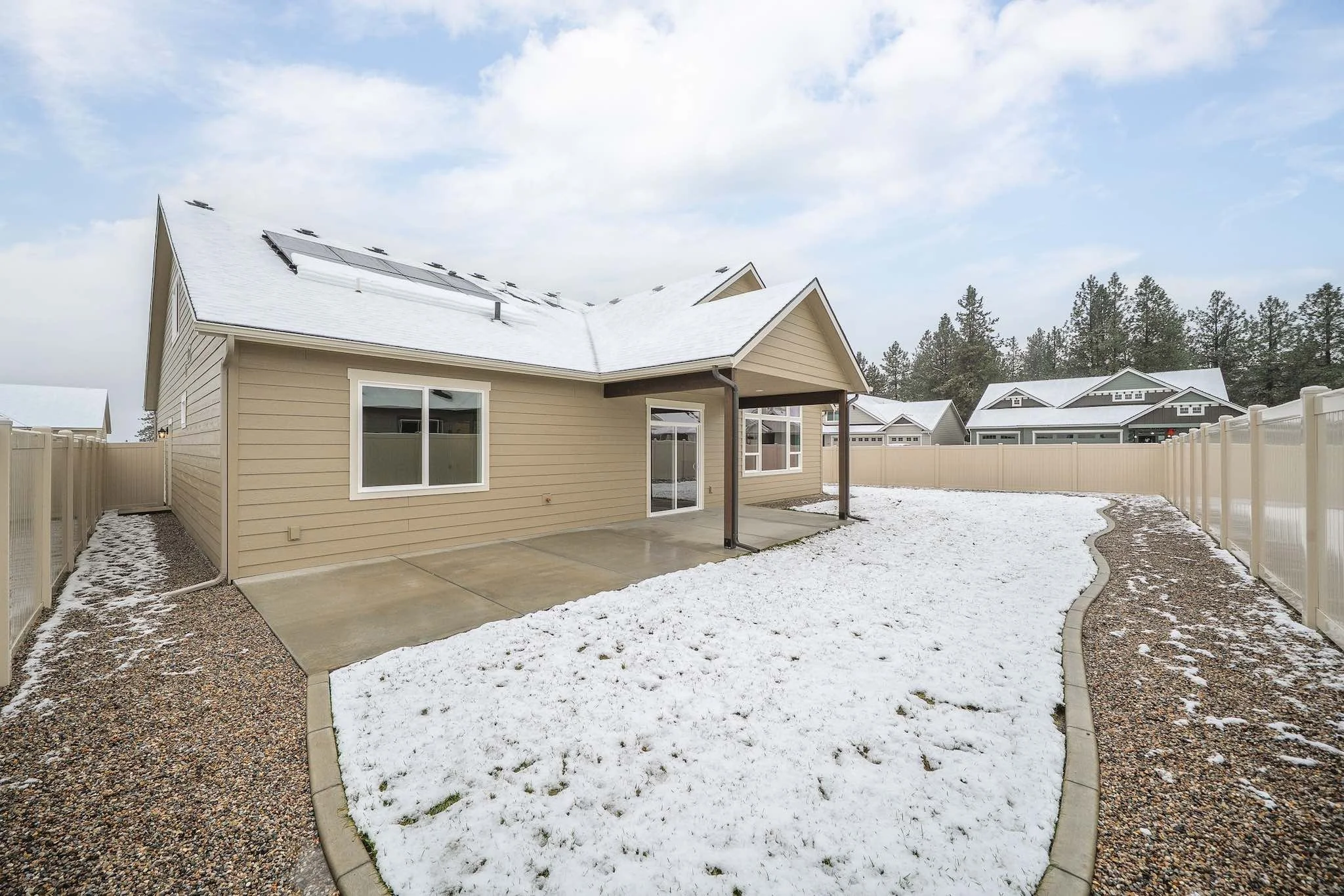
Fall
Heating system: Have furnace or heat pump inspected and serviced; change filters.
Chimney and fireplace: Clean and inspect chimneys and flues before winter fires.
Insulation: Check attic insulation and vents; add insulation if necessary.
Weatherproofing: Install storm windows, inspect and repair caulking, and add door sweeps.
Gutter and downspout cleanup: Remove leaves and debris to prevent ice dams and water backup.
Winter
Pipes: Insulate exposed pipes and know how to shut off the main water valve in emergencies.
Roof and ice dams: Remove heavy snow safely; monitor for ice dams and use proper methods to address them.
Safety equipment: Keep emergency supplies, check batteries, and maintain CO alarms, especially with increased heating use.
Exterior faucets and hoses: Drain and store hoses; shut off exterior water supply if present.
Annual or periodic tasks
Professional HVAC service: Annual inspection and tuning for furnace and air conditioning systems.
Water heater: Flush the tank yearly to remove sediment and check the pressure relief valve.
Septic system: Pumping interval varies—commonly every 3–5 years depending on use. Have it inspected regularly.
Foundation inspection: Look for cracks or shifting; address drainage issues promptly.
Electrical panel and outlets: Have a licensed electrician inspect if you notice issues (flickering lights, tripped breakers, warm outlets).
Roof: Have a professional inspect every few years or after major storms.
Attic and crawlspace: Inspect for moisture, pests, or insulation issues.
Dryer vent: Clean lint from the dryer vent and duct annually to reduce fire risk and improve efficiency.
Interior upkeep and finishes
Flooring: Follow the manufacturer’s care instructions for wood, tile, carpet, and vinyl. Refinish hardwood as needed.
Cabinets and countertops: Clean gently and repair chips or scratches. Reseal natural stone annually.
Paint touch-ups: Keep a small supply of matched paint for quick repairs.
Appliances: Follow the manufacturer's maintenance—clean refrigerator coils, descale coffee makers, and check oven seals.
Safety and documentation
Create a home maintenance binder to store manuals, warranty information, receipts, inspection reports, and a diagram of shut-off locations (water, gas, and electrical).
Keep a home inventory: Photograph and list valuables for insurance purposes.
Know shut-off locations: Label and practice shutting off the main water valve, gas shutoff, and electrical panel.
Emergency preparedness: Maintain basic tools, a fire extinguisher, and an emergency kit.
Routine maintenance fund
Aim to save 1–3% of your home's value annually for repairs and maintenance, or set aside a fixed monthly amount based on your likely needs (for example, $100–$300 per month for most mid-range homes). Adjust the percentage upward for older homes, acreage properties, or homes with specialized systems (septic, well pumps, extensive irrigation, outbuildings, or custom finishes). Track actual expenses for a year to refine your estimate, and keep the fund in an easily accessible savings account dedicated to home upkeep.
Regular maintenance is the safeguard that keeps a well-built home performing at its best; even the most carefully designed and constructed houses face wear from weather, seasons, and everyday use. At Brytech Construction, we build high-quality custom homes across North Spokane with materials and craftsmanship designed to withstand seasonal changes and endure for generations. But longevity depends on ongoing care—routine inspections, timely repairs, seasonal tasks, and system maintenance. By combining durable construction with a proactive maintenance routine, homeowners preserve comfort, safety, and value, ensuring the home you love today remains a sound investment for a lifetime.