
Universal Design Ideas for Accessibility
As homeowners prioritize long-term comfort and functionality, universal design has become an important part of modern home building. Universal design focuses on creating spaces that are accessible, safe, and easy to use for people of all ages and abilities. Whether you are planning for aging in place, accommodating mobility needs, or simply building a home that works better for everyone, thoughtful design choices can improve daily living and future flexibility.
At Brytech Construction, we build both semi-custom homes and fully custom homes in Spokane and the surrounding areas. Many universal design features can be incorporated into our semi-custom home plans, while others are best suited for a custom home designed around your family's unique needs.
What Is Universal Design?
Universal design is a home design approach that creates spaces that are functional, comfortable, and accessible for a wide range of people without sacrificing style. Features such as wider hallways, open floor plans, and step-free entrances help homeowners enjoy greater convenience today while preparing for future accessibility needs.
Unlike specialized accessibility modifications, universal design blends seamlessly into the home's architecture and interior design, creating a beautiful living environment that serves homeowners through every stage of life.
Universal Design Features Often Available in Semi-Custom Homes
Many universal design elements can be incorporated into Brytech Construction's semi-custom home designs with minimal adjustments to the floor plan.
Open Concept Living Areas
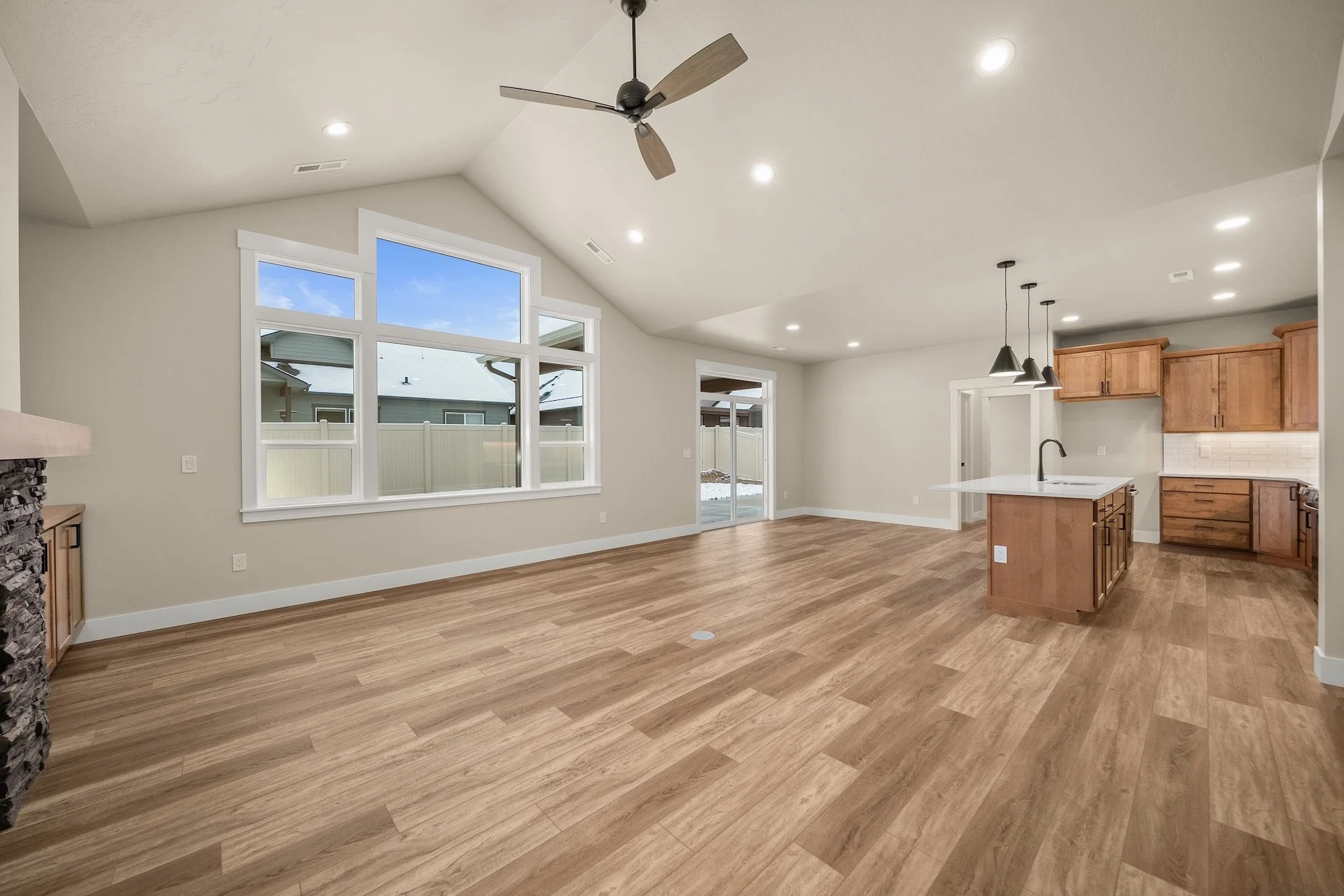
Open floor plans create better traffic flow throughout the home and make it easier to navigate with strollers, walkers, wheelchairs, or simply while carrying groceries. Open spaces also improve visibility and communication between family members.
Wider Hallways and Doorways
Wider hallways and door openings create a more comfortable living experience for everyone. These features can improve accessibility and make moving furniture and large items significantly easier. Wider pathways are considered one of the foundational elements of universal design.
Lever Door Handles
Lever-style door hardware is easier to operate than traditional round knobs and can benefit people with arthritis, limited hand strength, or busy hands carrying children or packages.
Enhanced Lighting
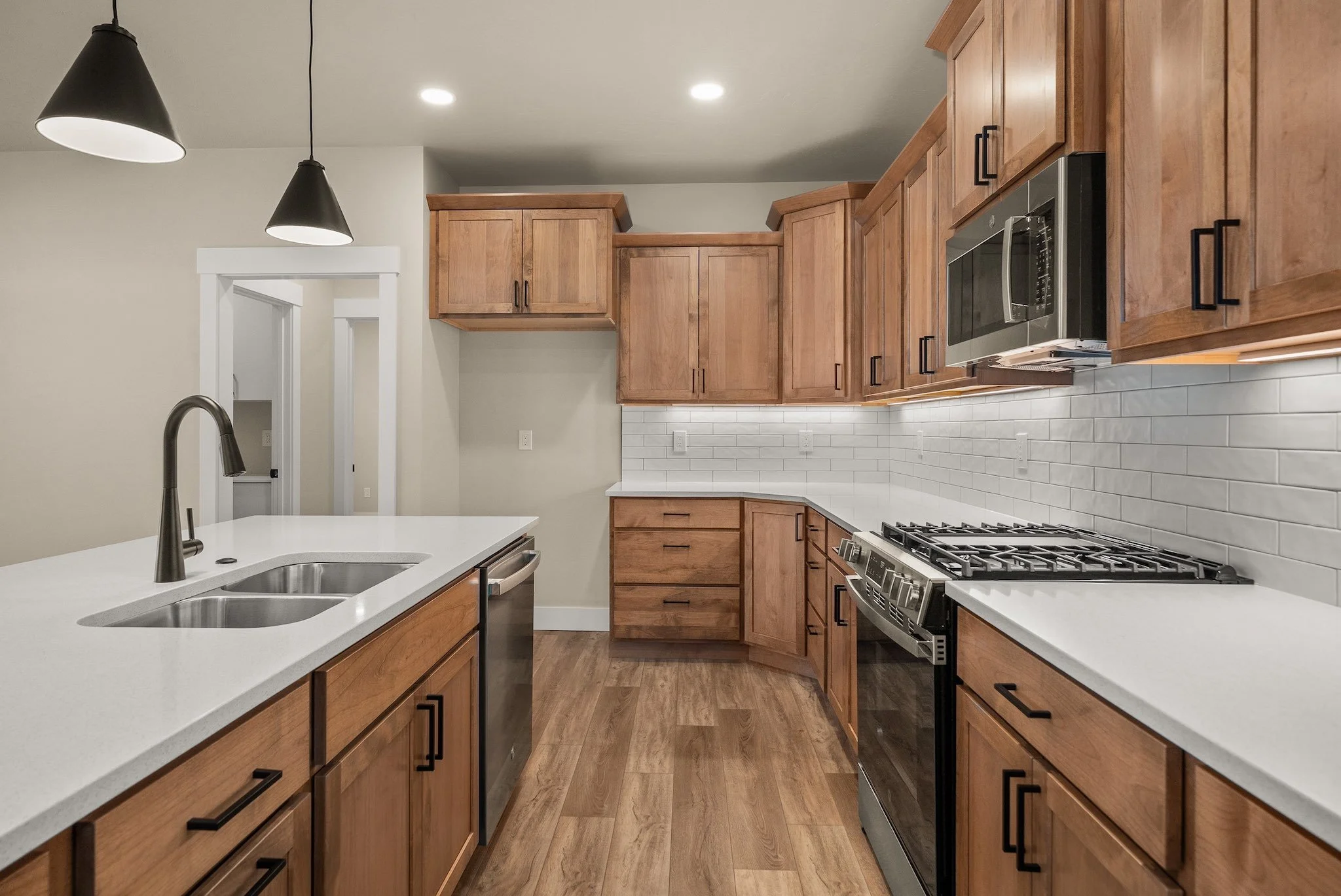
Well-planned lighting improves safety and visibility throughout the home. Features such as brighter hallways, under-cabinet kitchen lighting, and motion-sensor lighting can help reduce trip hazards while enhancing everyday convenience.
Main Floor Primary Suites
Many homeowners are choosing floor plans with a primary suite on the main level. This layout supports aging in place and eliminates the need to navigate stairs for everyday living.
Low-Threshold Entries
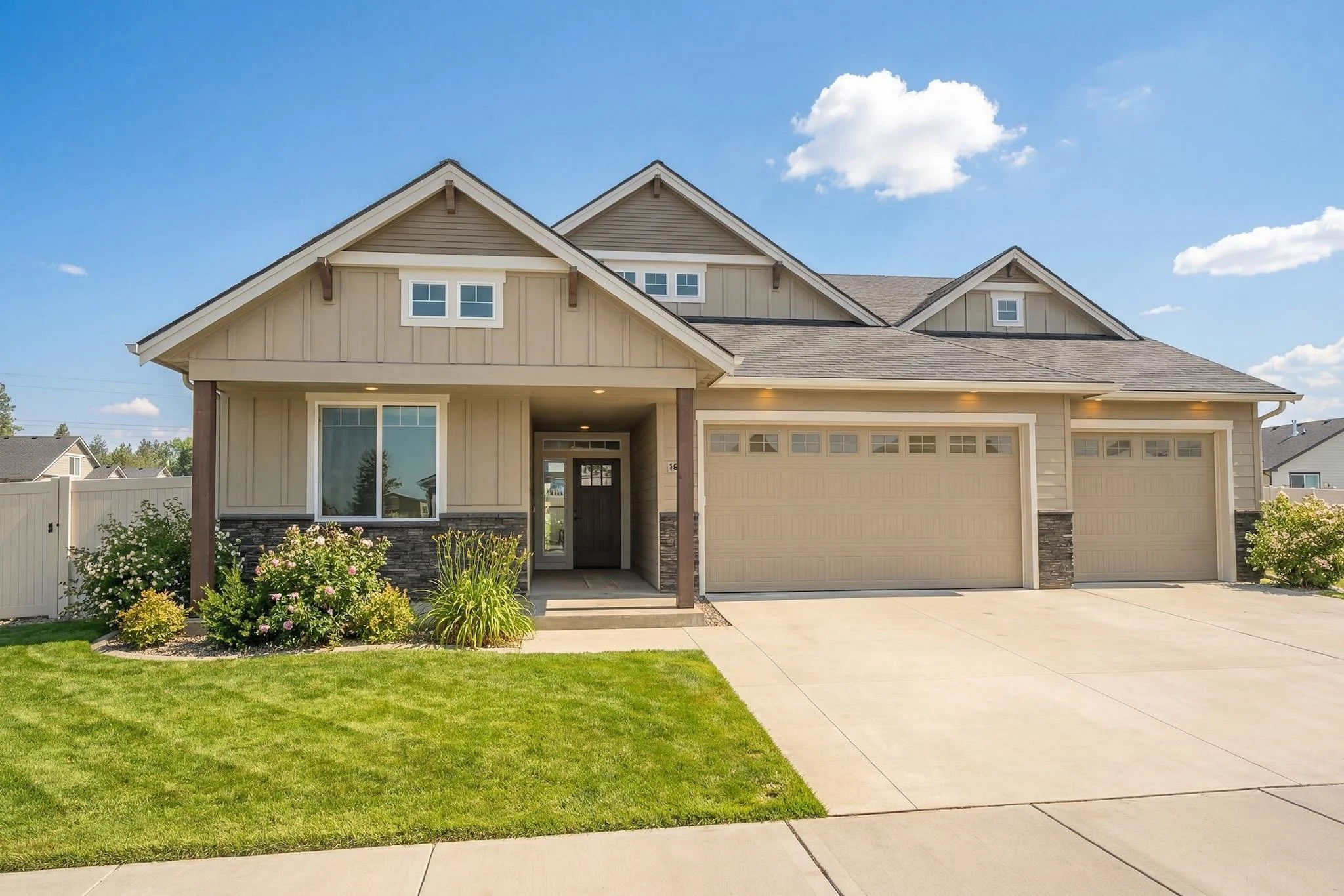
Where site conditions allow, low-threshold or no-step entries can often be incorporated into semi-custom home designs. These entrances provide easier access for people of all ages and mobility levels.


Universal Design Features Better Suited for Custom Homes
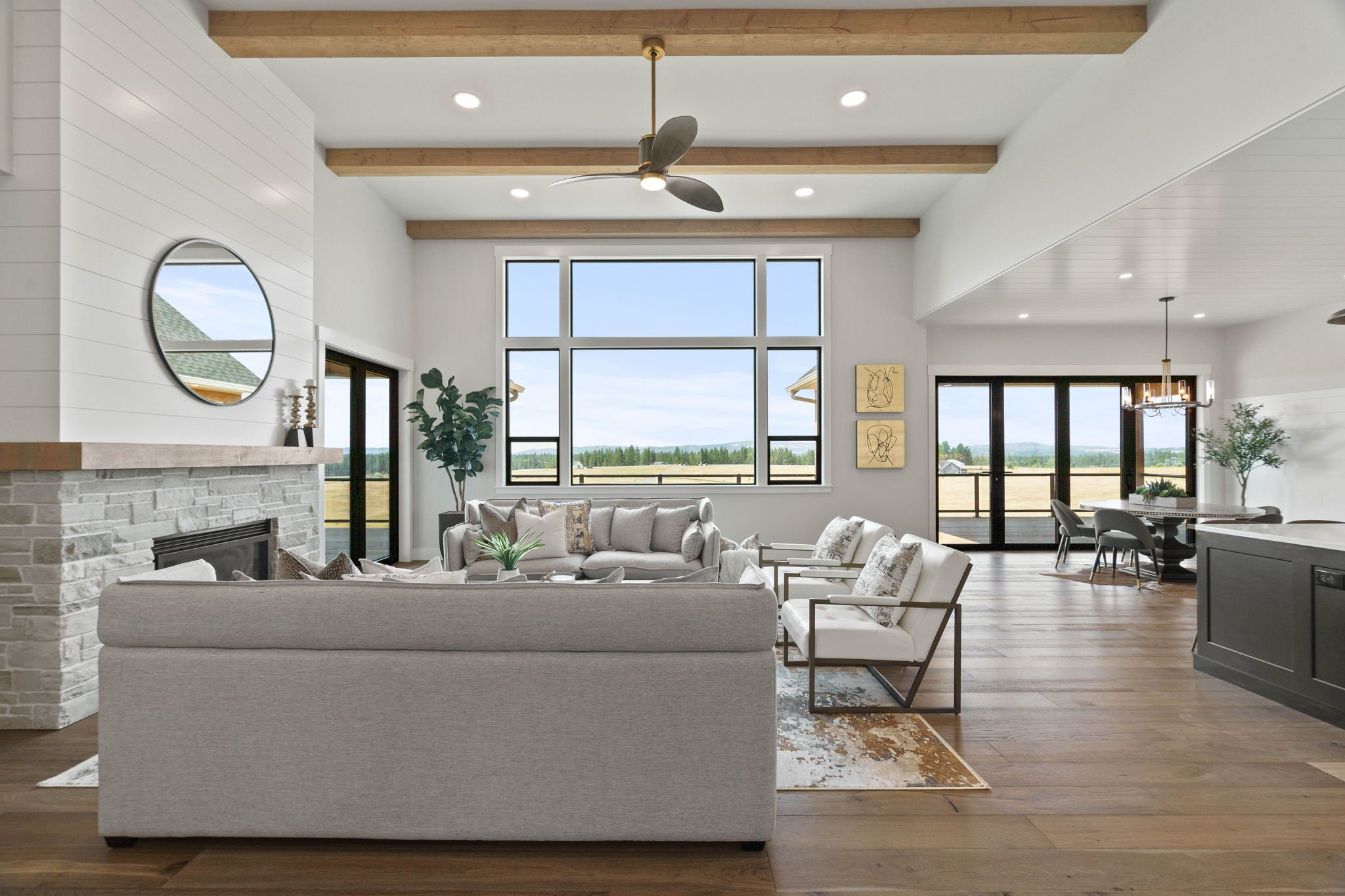
For homeowners seeking a truly accessible home or planning for specific future needs, custom home construction offers greater flexibility and personalization.
Accessible Bathrooms
Custom homes can be designed with larger bathrooms that allow for greater maneuverability and future accessibility. Reinforced walls can also be installed during construction to support future grab bars if needed. Planning for these features during the building process is often more cost-effective than retrofitting later.
Zero-Threshold Showers
Curbless showers create a sleek, modern appearance while eliminating a common tripping hazard. These showers provide easier access for wheelchair users and homeowners who want to age comfortably in place.
Multi-Height Kitchen Design
Custom kitchens can incorporate varying countertop heights, accessible workstations, pull-out shelving, and storage solutions designed for ease of use. These features improve accessibility while creating a highly functional cooking environment.
Elevator or Future Elevator Planning
For larger custom homes, homeowners may choose to include a residential elevator or design stacked storage spaces that could accommodate an elevator installation in the future.
Smart Home Accessibility Features
Voice-controlled lighting, automated blinds, smart thermostats, and advanced home automation systems can improve convenience and accessibility. These technologies can be integrated into a fully custom home design to match the homeowner's lifestyle and needs.
Customized Exterior Accessibility
Custom home designs allow for fully integrated accessibility solutions, including gently sloped walkways, expanded garage access, wider exterior pathways, and outdoor living spaces designed for barrier-free enjoyment.
Why Plan for Accessibility During New Home Construction?
One of the greatest advantages of building a new home is the ability to incorporate universal design features from the beginning. Features such as wider hallways, reinforced bathroom walls, accessible entries, and improved circulation are often much easier and more affordable to include during construction than through future remodeling projects.
Even homeowners who do not currently need accessibility features often appreciate the convenience, flexibility, and resale value that universal design provides.
Build a Home Designed for the Future
At Brytech Construction, we help homeowners throughout Spokane create homes that balance beauty, comfort, and functionality. Whether you are selecting one of our semi-custom home plans or creating a fully custom home from the ground up, our team can help incorporate universal design features that support your lifestyle today and in the years ahead.
If you are looking for a Spokane custom home builder or semi-custom home builder who understands accessible home design and aging-in-place concepts, Brytech Construction can help you build a home that works for every stage of life